
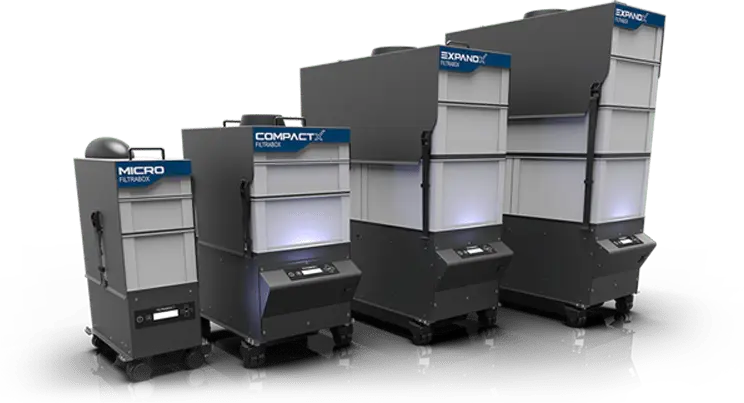
If you run a CNC machine, whether you’re a weekend hobbyist carving signs in your garage or managing production in a full-scale shop, you already understand the importance of dust collection. It’s often one of the first upgrades users invest in, and for good reason. Dust collection systems keep workspaces cleaner, improve visibility, and help extend the life of your equipment.
But here’s the part many CNC users overlook: dust collection and fume extraction are not the same thing, and relying on dust collection alone could leave a major gap in your air quality and overall safety.
In this post, we’re going to break down why a fume extractor is an essential addition for many CNC applications, when you actually need one, and how to determine if your current setup is falling short.
Understanding the Difference: Dust vs. Fumes
Let’s start by clearing up a common misconception.
A dust collection system is designed to capture solid particulate matter, think sawdust, plastic chips, or metal shavings. These particles are typically visible (or at least measurable) and are pulled away from the cutting area using airflow and filtration.
A fume extraction system, on the other hand, is built to capture airborne contaminants you often can’t see, including:
- Vaporized materials
- Chemical gases
- Ultrafine particles
- Odors and volatile organic compounds (VOCs)
These contaminants are created when heat and friction from the CNC process interact with certain materials. And here’s the key issue: most dust collection systems are not equipped to capture or filter these fumes effectively.
What Is the Purpose of a Fume Extractor?
A fume extractor is specifically engineered to remove harmful airborne contaminants at the source before they spread throughout your workspace. Unlike basic airflow or dust collection solutions, it targets the invisible byproducts of CNC machining that can linger in the air long after a job is complete.
Its core functions include:
1. Capturing Hazardous Airborne Particles
When cutting, engraving, or machining materials like plastics, composites, or treated woods, your CNC machine can release microscopic particles and gases that standard filters won’t catch. These ultrafine particles are often light enough to remain suspended in the air, making them easy to inhale without realizing it. A fume extraction system is designed to capture these contaminants as close to the source as possible, preventing them from circulating throughout your shop.
2. Filtering Toxic Compounds
Many fume extraction systems use multi-stage filtration, including activated carbon filters, to neutralize harmful chemicals and odors. This is something a traditional dust collection setup simply isn’t designed to do. These systems don’t just trap particles; they actively absorb and break down volatile organic compounds (VOCs) and other hazardous emissions, resulting in cleaner, safer air being returned to your workspace.
3. Improving Air Quality
Cleaner air isn’t just about comfort it directly impacts health, productivity, and long-term exposure risks. Poor air quality can lead to irritation, fatigue, and reduced focus over time, especially in enclosed environments. A properly designed air extraction system helps maintain consistent, breathable conditions so you can work longer and more comfortably without worrying about what’s in the air.
4. Protecting Equipment and Finishes
Fumes can settle on surfaces, including your CNC components, tools, and finished products. Over time, this can lead to corrosion, residue buildup, or compromised quality, especially on precision parts or customer-facing items. By removing these airborne contaminants early, a CNC fume extractor helps preserve both your equipment and the integrity of your final output, reducing maintenance and rework.
Does a CNC Machine Need Ventilation?
Short answer: In many cases, yes.
But the real answer depends on what materials you’re working with and how often you’re running your machine.
Even if your dust collection system is working perfectly, it may not address:
- Chemical vapors released during cutting
- Heat-generated fumes from friction
- Fine airborne particles that bypass standard filters
Without proper air extraction, these contaminants linger in your workspace, potentially accumulating over time.
Signs Your CNC Setup Needs Better Ventilation
If you’re unsure whether you need a CNC fume extractor, look for these indicators:
- You notice strong or lingering odors during or after cutting
- You’re working with plastics, composites, or coated materials
- Your shop feels “hazy” even with dust collection running
- You experience headaches, irritation, or discomfort after long sessions
- Residue builds up on surfaces despite good dust control
If any of these sound familiar, your current setup may not be doing enough to protect your air quality.
Which CNC Applications Need Ventilation the Most?
Not every CNC application produces harmful fumes, but many common ones do, especially as materials and machining speeds evolve. The challenge is that these risks aren’t always obvious at first glance. You may not see smoke or heavy dust, but that doesn’t mean your air is clean.
1. Plastics and Acrylics
Materials like ABS, PVC, and acrylic can release toxic fumes and VOCs when machined. These emissions aren’t just unpleasant; they can be hazardous with prolonged exposure, especially in enclosed environments. Certain plastics, like PVC, are known to release particularly aggressive chemicals when heated, making proper air extraction critical not just for comfort, but for safety. Even lighter odors from acrylic cutting can build up over time, signaling that airborne contaminants are present.
2. Composites and Laminates
Cutting materials like fiberglass, carbon fiber, or layered composites often generates fine particulate matter and chemical vapors that are difficult to capture with dust collection alone. These materials are engineered with resins and binders that can release fumes when disturbed or heated during machining. In addition to airborne gases, the ultrafine particles produced can remain suspended in the air for extended periods, increasing the risk of inhalation without a proper fume extraction system in place.
3. Treated or Engineered Woods
Plywood, MDF, and pressure-treated lumber contain adhesives, resins, and chemical treatments that release fumes when cut. A standard dust collection system will capture the visible chips and debris, but it won’t address the invisible gases released during machining. These fumes can create lingering odors and contribute to long-term air quality issues, especially in shops running these materials frequently or in high volumes.
4. High-Speed or High-Friction Applications
The faster your spindle speeds and feed rates, the more heat is generated at the cutting surface. This increased heat raises the likelihood of material vaporization, even in materials that might otherwise seem low-risk. As a result, fumes can be produced without obvious warning signs like smoke. A properly designed CNC fume extractor helps capture these emissions at the source, especially in production environments where machines are running continuously.
5. Enclosed or Indoor Workspaces
If your CNC machine operates in a garage, shop, or production floor without strong natural ventilation, airborne contaminants can quickly accumulate. Even small amounts of fumes generated over time can build to noticeable and potentially harmful levels. Without a dedicated air extraction system, these particles and gases are often recirculated within the space, reducing overall air quality and making it harder to maintain a safe, comfortable working environment.
Why Dust Collection Alone Falls Short
Dust collection systems are incredibly effective at what they’re designed to do, but they have limitations.
1. Filter Limitations
Most dust collectors use filters optimized for larger particles. Ultrafine particles and gases can pass right through, re-entering your workspace air.
2. No Chemical Filtration
Dust collection systems generally lack activated carbon or chemical filtration, which is essential for neutralizing fumes and odors.
3. Air Recirculation Risks
In many setups, filtered air is recirculated back into the shop. If fumes aren’t properly captured, you’re essentially redistributing contaminants.
4. False Sense of Security
Because your workspace looks clean, it’s easy to assume your air is safe, but visual cleanliness doesn’t equal air quality.
The Case for a Combined Approach
For many CNC users, the best solution isn’t replacing dust collection, it’s enhancing it.
A combined system includes:
- Dust collection for chips and debris
- Fume extraction for airborne contaminants
Together, they create a more complete air extraction system that addresses both visible and invisible hazards.
Benefits of Adding a CNC Fume Extractor
- Healthier working environment
- Reduced exposure to harmful chemicals
- Improved comfort (no lingering odors)
- Better protection for equipment and materials
- Increased compliance with workplace safety standards
Choosing the Right Fume Extraction System
If you’re considering upgrading your setup, here are a few factors to keep in mind:
1. Filtration Type
Look for systems that include:
- HEPA filters (for ultrafine particles)
- Activated carbon filters (for fumes and odors)
2. Airflow Capacity
Your fume extractor should match the size of your CNC machine and the volume of air you need to move.
3. Source Capture Design
The closer you can capture fumes to the source, the more effective the system will be. Consider hoods, enclosures, or integrated extraction points.
4. Scalability
Whether you’re a hobbyist or scaling up production, choose a system that can grow with your needs.
Final Thoughts: Don’t Overlook What You Can’t See
Dust collection is an essential part of any CNC setup, but it’s only part of the equation.
As CNC applications continue to expand into new materials and higher-performance processes, air quality management becomes increasingly important. Ignoring fumes simply because they aren’t visible can lead to long-term consequences for both your health and your operation.
If you’ve already invested in dust collection, you’re on the right track. But now might be the time to ask:
Is your air truly clean or just free of visible dust?
Adding a fume extraction system could be the upgrade that takes your workspace from functional to fully optimized.



Recent Comments